Transformation Through Distillation
 May 20th, 2026
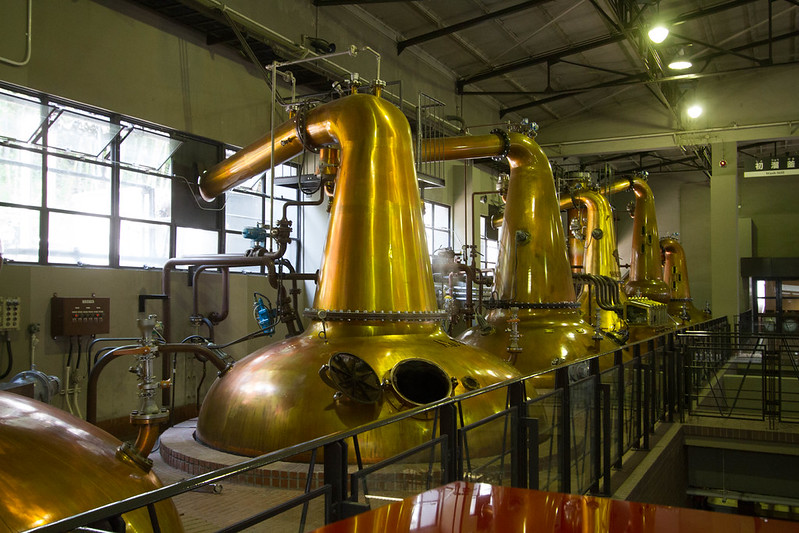
This is the second in a series of blog posts on transformation (changes that make a difference). In the first post, I described the power and benefit of focusing on the current state at the expense of the future state. The main idea is to define where you are and choose a direction of travel, which is almost the opposite of defining the idealized future state, defining the gaps, and putting together a plan to get there. The topic of this post is moving from dilution to distillation.
Here’s the situation: Growth expectations were just increased. Competition is more severe. The pace of change is faster than ever. AI has made it easier for startups to start. The cost of being late is insolvency, so project timelines are pulled in. And because the project portfolio does not support the increased growth objectives, more projects are added. The next round of layoffs is on the agenda, so there will be fewer people to pull off the impossible.
Adding projects means more projects are spread over fixed resources. This dilutes resources, and everything slows down. And that’s the opposite of what we want. Fewer projects spread over fixed resources distill efforts, and progress accelerates. With projects, there is no partial credit. Until the project is 100% done, we get 0% credit. A project that’s 98% complete generates zero revenue. Adding projects pushes out completion dates, but that’s often what we do, even though we know we want otherwise.
Here’s a distillation mantra: Work on fewer projects to get more done.
There are tools, methods, and practices to protect ourselves from creating dilution, but that’s for another time. I will end the post here to reinforce that distillation is more effective than dilution.
Image credit – Alexander Grandholm
 Posted in Brand, Constraints, Fundementals, Level 5 Courage |
  Tags: Competitiveness, Lessons Learned
2 Responses to “Transformation Through Distillation”
Leave a Reply
 Mike Shipulski
That makes a lot of sense, focusing on the present before planning. It’s surprisingly effective to just really understand where you are now before setting goals.
The present before the planning. I like that. Thanks for your contribution.
I think you may be referring to a different post – https://www.shipulski.com/2026/05/13/ground-your-team-in-the-current-state/
Mike